
Roof Infrared
Thermal Imaging
Detect trapped moisture within roofing systems, enabling targeted repairs instead of costly full roof replacements. Available as ground-level or drone aerial imaging.
reduction vs. full tear-off
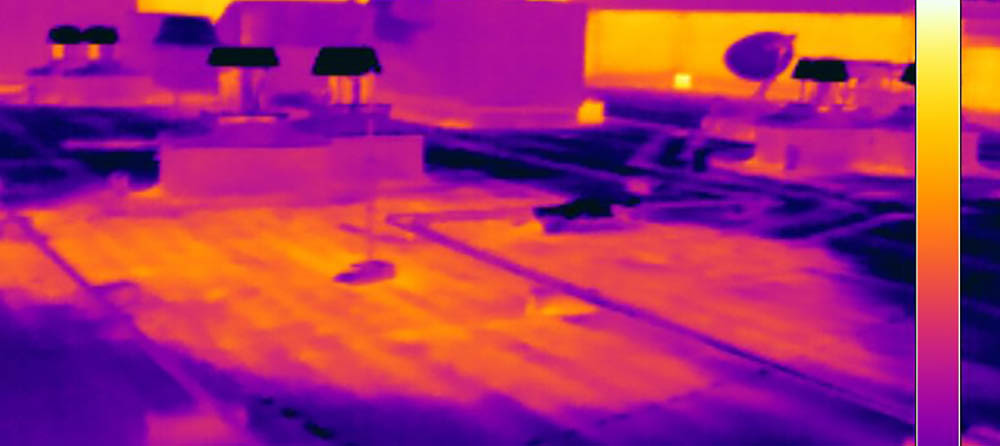
Moisture Made Visible
Standard photography vs. infrared thermal imaging
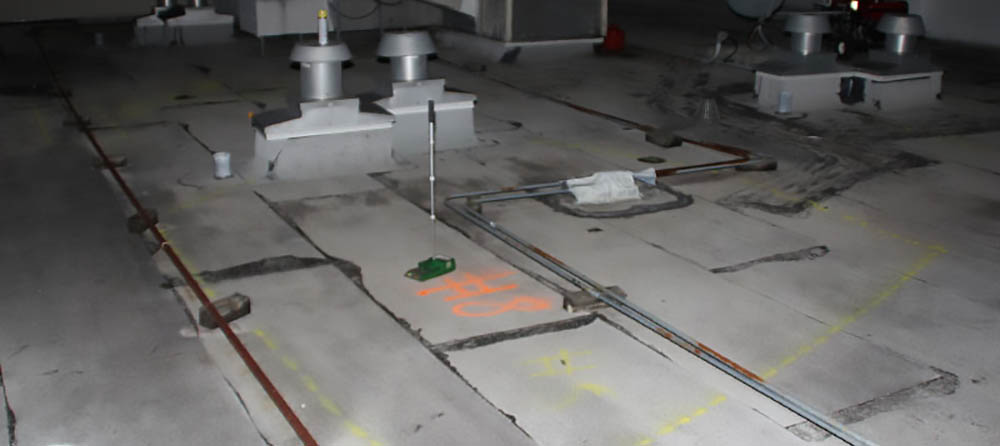 Standard ViewInfrared View
How Roof Infrared Imaging Works
As the sun heats a roof during the day, areas with trapped moisture absorb and retain more heat than dry areas. After sunset, these wet areas cool more slowly, creating temperature differentials clearly visible with infrared cameras.
Surveys are typically conducted in the evening hours, after solar loading has ceased but before ambient cooling eliminates the thermal contrast. This timing is critical for accurate results and is one reason a Level 3 certified thermographer produces superior data.
The result is a detailed map of moisture-contaminated areas, allowing building owners and roofing contractors to make informed repair-or-replace decisions backed by objective data.
Ideal Survey Conditions
- Minimum 8 hours of direct sun exposure
- Clear skies, no rain for 24+ hours
- Wind speed below 15 mph
- Conducted 1–3 hours after sunset
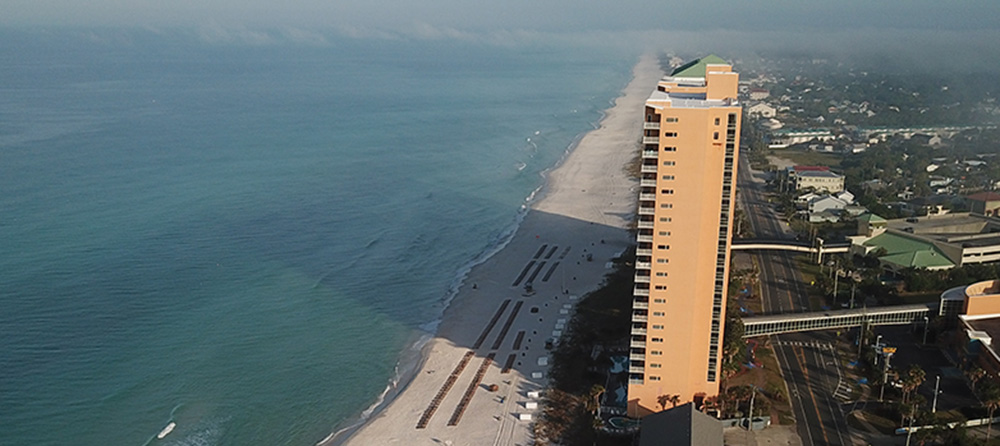
Drone Aerial IR
Our FAA-licensed drone pilot captures high-resolution infrared imagery of large commercial roofs, multi-story buildings, and facilities where ground access is impractical. Complete roof coverage in a fraction of the time required for traditional walk-on surveys.
What We Inspect
Why Infrared Roof Surveys
Moisture Detection
Locate trapped moisture within the roof system that causes insulation degradation, structural damage, and mold growth.
Leak Pinpointing
Identify the exact location and extent of active leaks, enabling targeted repairs rather than large-area tear-offs.
Quality Assurance
Verify new roof installations and repairs by confirming dry insulation and proper membrane adhesion.
Asset Management
Establish baseline moisture data for roof maintenance programs, tracking condition over time to budget intelligently.
Schedule a Roof Infrared Survey
Find out where your roof is holding moisture before the next storm makes it worse.